
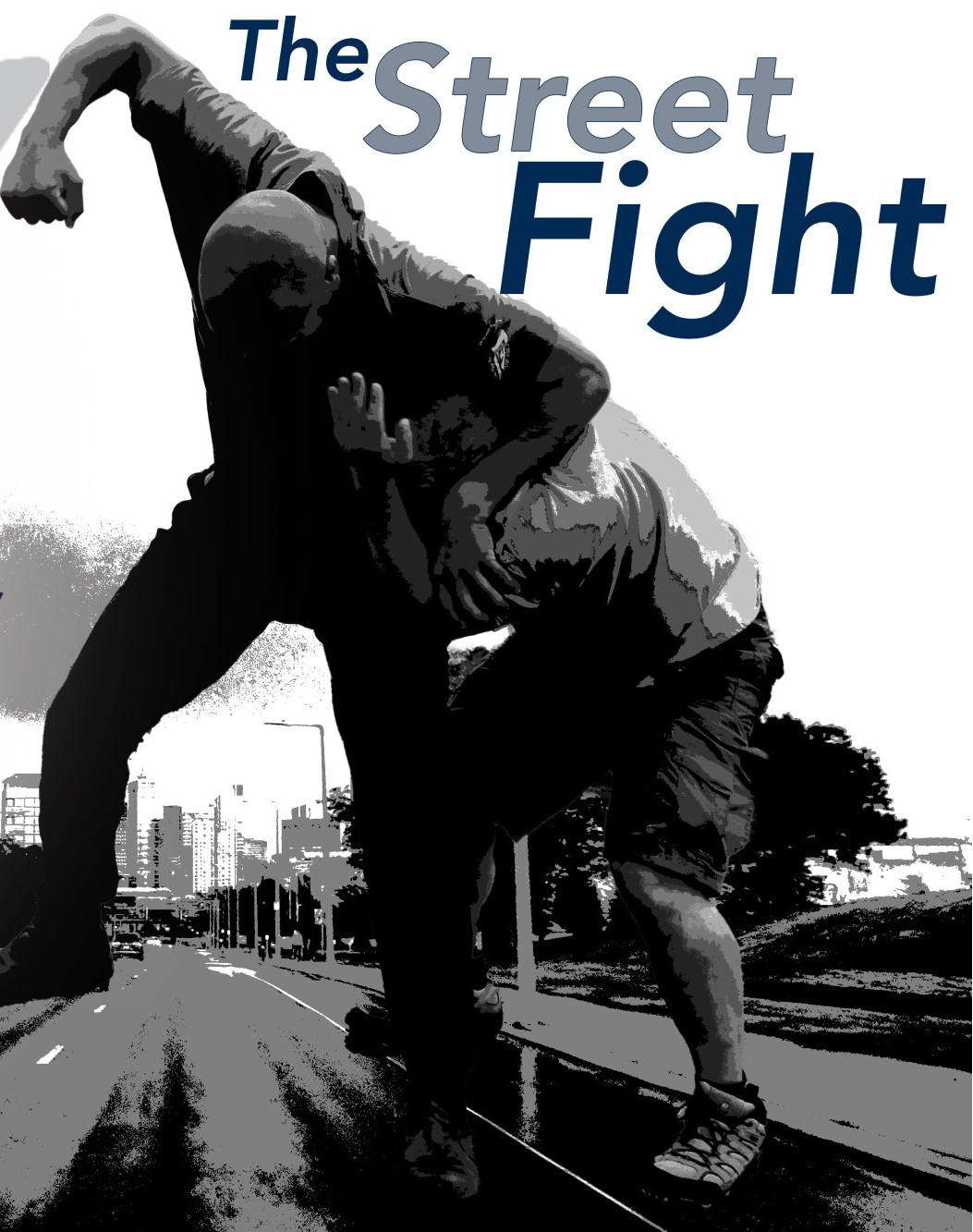
The length of a physical fight can vary greatly. A confrontation may last only a few seconds, while a more prolonged struggle can continue for several minutes. There is no reliable “average” length because many factors influence how quickly a fight ends, including the number of people involved, the participants’ physical condition, the environment, and whether someone decides to stop or leave.
The best estimate of the total duration of a physical fight is 30 seconds to one minute. That period is based on several factors. The basic physical fitness of those engaged, the dramatic changes experienced in hormonal and nervous system reaction to the fight situation, the level of conflict, and intervention by friends and others
In many real-world confrontations, exhaustion becomes an important factor surprisingly quickly. Intense physical activity causes the heart rate and breathing rate to rise rapidly, and adrenaline can temporarily mask fatigue or pain. As the confrontation continues, however, people may lose coordination, strength, and the ability to hear, see, and think clearly. These are all potential reasons that physical confrontations can become unpredictable.
If a physical confrontation appears unavoidable, the most useful general objective is to protect yourself. Keeping distance when possible, protecting your head and vital areas, maintaining awareness of nearby exits, and looking for an opportunity to move away are best priorities. Always keep in mind that “the fight you always win is the one you are never in”.
The environment also matters. Hard surfaces, traffic, stairs, glass, and other hazards can turn a relatively brief confrontation into a serious medical emergency. Multiple people can make a situation particularly dangerous because it becomes much harder to monitor what is happening around you.
Most often, striking from a stand-up position will defeat an opponent in real fighting situations. The thought that all fights end up on the ground is a myth that is rooted in the defensive and control tactics used by law enforcement. In truth, approximately 30% of fights end up with combatants both rolling on the ground. The ability to throw good strikes and to use combinations will end a fight decisively in 70% of situations.
Learning from a qualified self-defense instructor can help people develop awareness, de-escalation skills, escape strategies, and appropriate responses to dangerous situations. Martial arts and combat sports can also teach discipline and physical control when practiced in supervised settings with appropriate safety equipment and rules.
Most people are not trained to fight. Less than three percent of people train for physical combat. The number of proficient fighters is even smaller. The safest approach is to prevent situations from becoming physical is staying calm, creating distance, speaking clearly, and avoiding provocative behavior. Avoiding confrontation and preventing violence altogether is always the best option to engaging in a physical altercation.
Ultimately, there is no guaranteed technique that makes someone certain to “win” a physical fight. However, be aware that there is no “tapping out” like is seen in sport martial arts like MMA or BJJ. The truth is that there is no such thing as a “fair fight.” In a real fight, there are no rules and targets are not limited. Even trained individuals can be injured, and seemingly minor confrontations can have serious consequences.
Unless an altercation is imminent and unavoidable, the safest definition of success is preventing unnecessary violence, protecting yourself, and reaching a safe place as quickly as possible. Learning good striking techniques, how to avoid being grabbed, and the ability to get up if you go to the ground are keys to your self-defense. Training, along with the discipline and confidence one gains from it, provides a framework for the situational awareness and critical thinking that are necessary in the event of an altercation.
Get trained. Stay safe.