
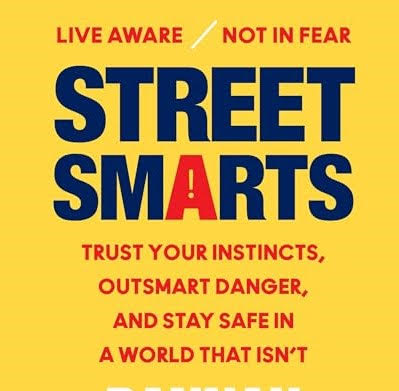
Situational awareness is the skill of noticing what’s happening around you and understanding how it might affect you in the near future. It’s not paranoia—it’s paying attention. A good practice is to scan continuously: look at people’s body language, notice unusual patterns, and recognize the environment’s baseline. For example, in a normally calm area, sudden aggressive gestures, a crowd moving against the usual flow, or a vehicle idling in a way that doesn’t match the context can all be early signals. Situational awareness also includes noticing exits, lighting, traffic flow, and potential hazards like slick surfaces or poorly lit corners. When you stay “in the moment,” you can make better decisions because you’re responding to real conditions rather than guesses.
Critical thinking supports situational awareness by helping you interpret what you notice. Seeing something is only step one; understanding it is step two. Critical thinking means asking questions: What evidence do I have? What explanations fit best? Could there be benign reasons? Are my assumptions based on facts or emotion? This is especially important because fear and adrenaline can distort perception. For instance, if someone approaches you urgently, your instinct might be to assume danger. Critical thinking helps you slow down just enough to evaluate: Are they acting in a way that matches their words? Do they seem confused or aggressive? Are there safe ways to create distance or seek help? By testing your conclusions against observable details, you reduce the odds of reacting incorrectly.
Street smart behavior is the practical application of both skills in real-world settings. It doesn’t mean taking unnecessary risks; it means choosing actions that lower risk and increase options. One core principle is maintaining personal space. If something feels off, you can create distance early rather than waiting until the situation becomes unavoidable. Another principle is planning your movements. Being street smart often looks like walking with purpose, keeping your head up, and avoiding distractions that prevent you from tracking your surroundings—like being fully absorbed in a cell phone screen or wearing ear buds in a high-risk area. It also includes thinking ahead: where are you going to stand if something changes? Is there a store, desk, or open area you can move toward? If you’re traveling at night, choosing routes with better lighting and more foot traffic can dramatically improve safety.
Effective street-smart behavior also involves communication and boundaries. If you need help, asking a clear, direct question to a safer location—like a staffed business—can be more effective than wandering uncertainly. When interacting with strangers, you can use calm, confident language and avoid engaging in escalating behavior. If someone requests something that feels suspicious or pressured, you don’t have to argue; you can simply refuse, change direction, and seek assistance. Trusting your instincts can be appropriate, but critical thinking refines those instincts into decisions.
Finally, these skills reinforce each other through repetition. The more you practice scanning and interpreting, the more naturally it becomes part of your behavior. Over time, you’ll notice patterns faster, assess situations more accurately, and act with less hesitation. The goal isn’t to eliminate uncertainty; it’s to manage it. With situational awareness, critical thinking, and street-smart habits, you become better at preventing problems, responding early when warning signs appear, and protecting yourself while staying calm and rational.
Good basic rules to follow:
1. Blend In: Don’t act like a tourist. If you need directions, ask inside a shop instead of standing on the corner staring at a map.
2. Trust Your Gut: If a person or area feels unsafe, turn around. If a car is following you, run in the opposite direction. It takes them time to turn around.
3. Keep moving: Walk with confidence, like you know where you are going, even if you do not know exactly where you are. Check your route before you leave the house.
4. Watch your wallet: Never flash your cash. Only take out money when you are safely inside a building. Even better, keep a little money available in one pocket and stash larger amounts of cash in another pocket or place.
5. Hide your phone: You will need it if something goes wrong and you need to get help. Do not walk while staring at your map or texting. Do not block out what is happening around you by wearing ear buds. This makes you an easy target.
6. Hide your car valuables: Roll up your car windows and lock your doors. Hide all bags before you park. Keep your keys in a safe place. They can be used as an alarm, a defense tool, and to get away from a bad situation.